
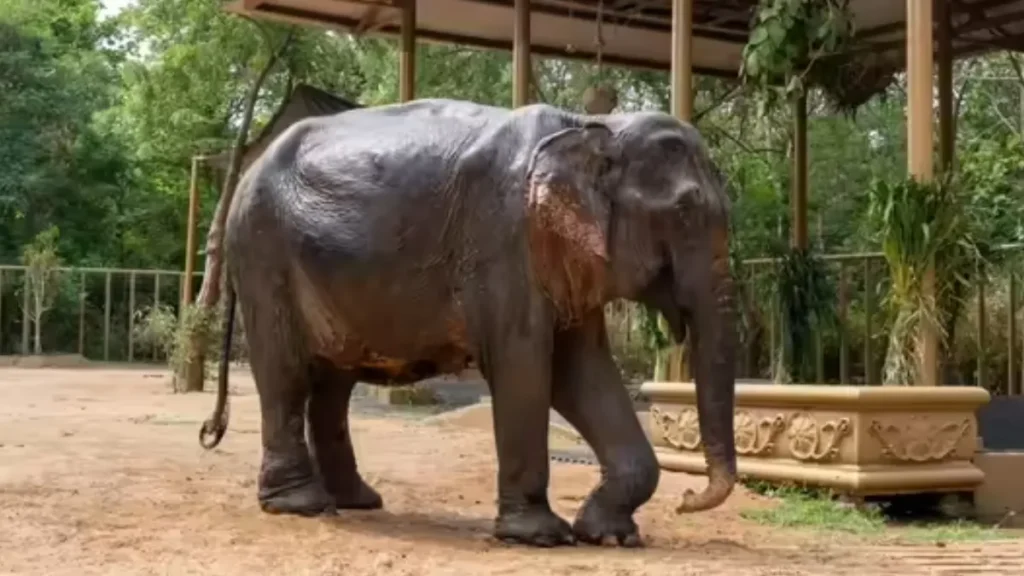
A 48-year-old elephant named Maniki, whose painful condition recently drew widespread public attention, has been relocated from Assam to Vantara in Jamnagar, Gujarat, where she will receive long-term veterinary treatment and specialized care. The transfer follows concerns raised by animal welfare advocates after a video showing the elephant struggling to walk on a highway circulated online.
The rescue marks an important step in ensuring that the aging elephant receives the medical attention and rehabilitation she requires after living with serious health challenges for years.
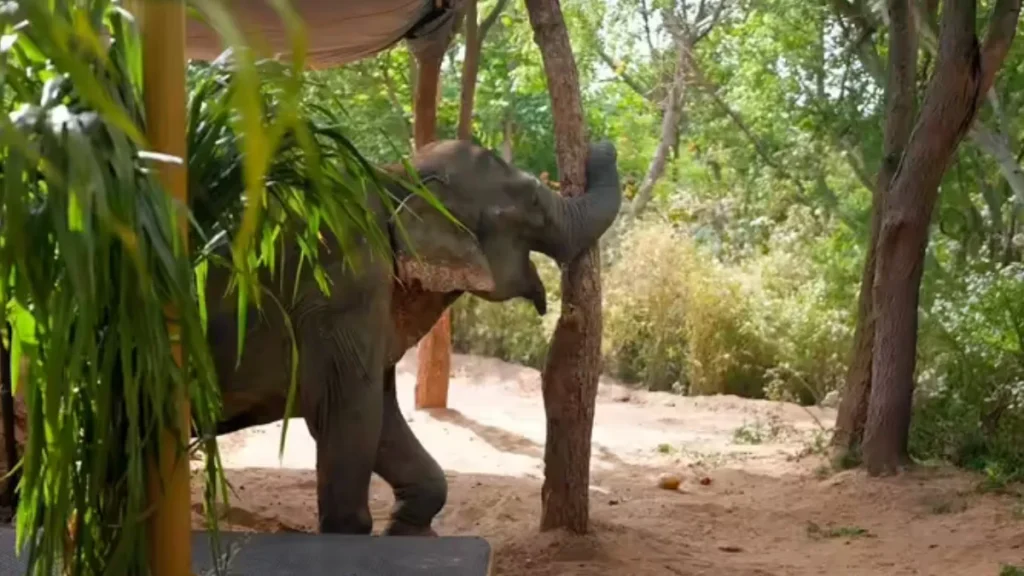
Viral Video Sparked Public Concern
Maniki’s condition became widely known after a video surfaced showing her limping along a highway in Assam while being taken for treatment. The footage revealed the visible pain she experienced with every step, prompting a strong reaction from animal lovers, wildlife advocates, and concerned citizens.
The video quickly gained attention on social media, leading to calls for immediate intervention. Several animal welfare supporters signed petitions urging authorities to arrange advanced medical care for the elephant and provide her with a more suitable environment for recovery.
The growing public concern highlighted the importance of long-term rehabilitation for aging captive elephants suffering from chronic health issues.
Multiple Health Problems Required Specialized Treatment
According to information shared by Vantara, Maniki has been living with several serious medical conditions that have significantly affected her mobility and overall health.
One of her most severe issues is a long-standing deformity in her left front leg, making walking extremely difficult. In addition, veterinarians identified several age-related complications, including infected wounds, dehydration, poor body condition, and reduced vision in one eye.
Experts believe that such conditions require continuous veterinary supervision rather than temporary treatment, especially for elderly elephants that need ongoing rehabilitation and pain management.
Owner Requested Long-Term Rehabilitation
Recognizing that Maniki needed sustained medical care beyond routine treatment, her owner, Ruchi Chetia, approached the committee established under the directions of the Supreme Court to oversee the rescue and welfare of distressed wild animals.
She requested permission for the elephant to be transferred to Vantara, where specialized facilities for elephant rehabilitation are available.
After the proposal received the necessary approvals from the committee as well as the governments of Assam and Gujarat, the relocation process was completed successfully under official supervision.
The coordinated effort ensured that the elephant was transported safely while complying with the required legal and veterinary procedures.
Advanced Veterinary Care Planned at Vantara
Veterinary specialists at Vantara have prepared a comprehensive treatment plan designed specifically for Maniki’s condition.
The immediate focus will be on reducing her pain through medication while addressing her mobility challenges with therapies such as acupuncture and hydrotherapy. She will also receive a carefully monitored nutritional program aimed at improving her overall health and strength.
In addition, veterinarians will provide continuous wound management and infection control to support the healing process. Her recovery will be regularly assessed so treatment can be adjusted according to her progress.
The combination of medical care and rehabilitation therapies is expected to improve her comfort and quality of life over time.
A Habitat Designed for Comfort and Recovery
Beyond medical treatment, Maniki will live in an environment created to reduce stress on her injured limbs and encourage natural behavior.
The rehabilitation area features soft natural soil instead of hard surfaces, helping decrease pressure on her damaged leg while walking. Water bodies and ponds will also allow her to move with less strain by reducing the weight placed on her joints.
Caretakers also plan to provide opportunities for social interaction with other elephants, along with natural foraging activities that encourage physical movement and mental stimulation.
Wildlife experts consider such enriched environments an important part of long-term elephant rehabilitation, particularly for elderly animals recovering from chronic health conditions.
Also read: Tyrese Gibson Visit Vantara: Hollywood Star Receives Grand Welcome in Jamnagar During Gujarat Tour
Timely Support Made the Rescue Possible
A spokesperson for Vantara expressed appreciation to Maniki’s owner for making a timely decision to seek specialized care and for working closely with authorities throughout the relocation process.
The organization also acknowledged the cooperation of government agencies and regulatory authorities, whose approvals enabled the transfer to take place without unnecessary delays.
With her relocation complete, Maniki is now expected to spend her recovery period in a permanent environment focused on medical treatment, rehabilitation, and compassionate care.
About Maniki Elephant Vantara
Maniki Elephant Vantara has become a widely discussed example of collaborative wildlife welfare efforts involving animal caregivers, veterinary experts, government authorities, and conservation organizations.
Founded by Anant Ambani, Vantara is dedicated to the rescue, treatment, rehabilitation, and long-term care of animals requiring specialized support. The facility houses advanced veterinary infrastructure, including one of the world’s largest elephant hospitals and a multi-specialty wildlife healthcare center equipped to treat a wide range of species.
Through partnerships with government agencies and conservation organizations, Vantara continues to support wildlife rescue and rehabilitation initiatives while promoting improved standards of animal welfare and long-term conservation.