
Introduction
Vantara Ambani: India is known across the world for its extraordinary wildlife diversity. From majestic Asiatic lions and Bengal tigers to rare migratory birds and endangered reptiles, the country shelters nearly 7 percent of the planet’s biodiversity. However, rapid industrial growth, shrinking forests, illegal wildlife trade, climate change, and increasing human–animal conflict have placed enormous pressure on this delicate ecosystem.
In response to these growing challenges, one of the most ambitious and visionary conservation projects in India was established in Gujarat. Known globally as Vantara Ambani, this initiative has redefined how wildlife protection, rescue, rehabilitation, and scientific care should function in the modern era.
Unlike traditional zoos or safari parks created for entertainment, Vantara Ambani represents a completely different philosophy. It is not designed for ticket sales, tourism, or public spectacle. Instead, it is a large-scale animal welfare ecosystem built around compassion, science, and long-term sustainability.
Today, Vantara Ambani is widely regarded as India’s most powerful private wildlife conservation initiative and one of the largest of its kind in the world.
This comprehensive news-style report explores the complete story behind Vantara Ambani — its vision, history, infrastructure, conservation programs, future projects, employment opportunities, and its growing global significance.
What Is Vantara Ambani?
Vantara Ambani is a mega wildlife rescue, rehabilitation, and conservation initiative developed under the guidance of the Reliance ecosystem. The word “Vantara” originates from Sanskrit and loosely translates to “Forest Star”, symbolizing hope, protection, and guardianship of wildlife.
At its core, Vantara Ambani is designed to provide lifelong care to animals that can no longer survive safely in the wild due to injury, abuse, illegal captivity, or habitat destruction.
Key Objectives of Vantara Ambani
- Rescue animals from illegal trade, circuses, conflict zones, and distressed habitats
- Provide world-class veterinary treatment and rehabilitation
- Offer large natural habitats instead of cages
- Support endangered species conservation programs
- Promote ethical coexistence between humans and wildlife
This initiative does not operate as a commercial zoo. There are no daily visitors, entertainment shows, or animal performances. Every decision is guided by animal welfare science rather than tourism demand.
History and Vision Behind Vantara Ambani
Origins of the Initiative
The foundation of Vantara Ambani emerged from a growing realization that India needed large-scale, long-term infrastructure to manage the increasing number of rescued animals across the country.
Over the past two decades, wildlife authorities have witnessed:
- Rising cases of illegal wildlife trafficking
- Animals rescued from circuses and private ownership
- Injured wildlife from road accidents and industrial zones
- Increasing human–animal conflict in forest-edge villages
Government facilities alone were not sufficient to support lifetime rehabilitation for thousands of animals. This gap led to the conceptualization of a private, science-driven conservation model.
Development Milestones
| Year | Key Development |
|---|---|
| Concept Phase | Identification of land and conservation blueprint |
| Planning Stage | Consultation with global wildlife experts |
| Construction | Development of species-specific habitats |
| Expansion | Veterinary hospitals and rescue networks |
| Present | One of Asia’s largest animal welfare ecosystems |
The project was developed on thousands of acres of protected land in Gujarat, ensuring minimal human disturbance and maximum ecological stability.
The guiding principle from the beginning has remained clear:
“Care first, display never.”
World-Class Facilities for Animals
The infrastructure at Vantara Ambani is considered among the most advanced wildlife care systems in Asia.
Major Animal Care Facilities
- 24×7 multi-specialty veterinary hospitals
- Fully equipped intensive care units (ICUs)
- Emergency trauma centers
- Climate-controlled recovery enclosures
- Quarantine zones for rescued animals
- Specialized neonatal care units
Species-Specific Habitats
Animals are not kept in uniform enclosures. Instead, entire landscapes are recreated to match natural ecosystems.
| Habitat Type | Species Supported |
| Grasslands | Herbivores, antelope species |
| Forest Zones | Big cats, primates |
| Wetlands | Birds, reptiles |
| Savannah Areas | Large mammals |
| Night Enclosures | Nocturnal species |
Each enclosure allows animals to roam freely, express natural behaviors, and remain socially bonded with their species.
Technology-Driven Welfare Systems
- Advanced diagnostic laboratories
- MRI, CT scan, and digital radiology units
- AI-assisted health monitoring
- GPS-based animal movement tracking
- Temperature and humidity-controlled zones
- Stress-reduction acoustic environments
This combination of nature and technology ensures animals receive medical excellence without compromising psychological wellbeing.
Conservation Work at Vantara Ambani
Conservation is the foundation on which the entire initiative stands.
Core Conservation Programs
- Rescue and rehabilitation of injured wildlife
- Long-term care for permanently disabled animals
- Ethical breeding programs for endangered species
- Genetic diversity preservation
- Scientific research collaborations
Major Areas of Focus
1. Big Cat Conservation
India’s big cats face severe threats from habitat fragmentation. Vantara Ambani supports:
- Asiatic lion rehabilitation
- Leopard rescue from conflict zones
- Tiger medical treatment and recovery
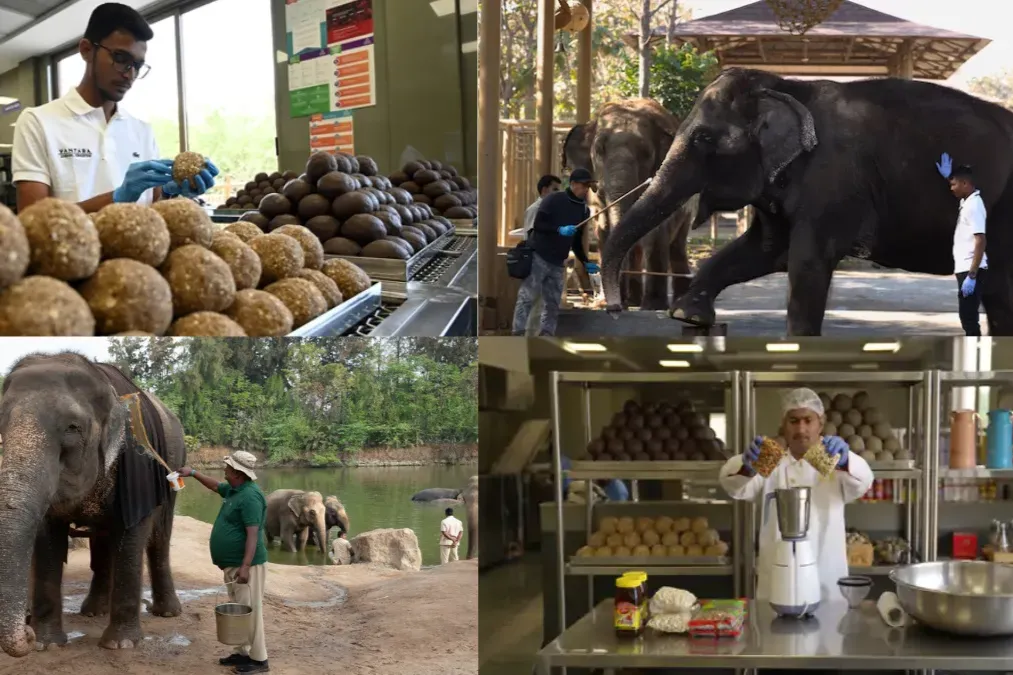
2. Elephant Welfare
Many elephants rescued from captivity suffer from chronic injuries and psychological trauma. The project provides:
- Large roaming zones
- Specialized foot-care units
- Hydrotherapy pools
- Social regrouping environments
3. Bird Rescue and Protection
- Treatment of injured migratory birds
- Wetland habitat creation
- Long-term aviary rehabilitation
- Protection of endangered avian species
4. Herbivore and Exotic Species Care
Animals rescued from illegal international trade are provided lifelong sanctuary when repatriation is not possible.
Vantara Ambani Upcoming Projects
The initiative continues to expand with future-focused developments aimed at global leadership in wildlife conservation.
Planned Projects
| Project | Purpose |
| Wildlife Research Institute | Scientific studies and innovation |
| Conservation Education Center | Training future conservationists |
| Global Rescue Network | International animal cooperation |
| Advanced Medicine Labs | Next-generation veterinary science |
| Digital Wildlife Archive | Long-term genetic preservation |
These upcoming developments aim to transform India into a global hub for ethical wildlife care.
Vantara Ambani Job Vacancies and Careers
The scale of the project has generated significant employment across conservation and scientific fields.
Key Job Roles
- Wildlife veterinarians
- Veterinary nurses and technicians
- Animal caretakers
- Nutrition specialists
- Wildlife biologists
- Conservation researchers
- Environmental scientists
- Habitat designers
- Operations and logistics managers
Skills in High Demand
| Discipline | Required Background |
| Veterinary Science | MVSc / BVSc |
| Wildlife Biology | Zoology, Ecology |
| Environmental Studies | Conservation science |
| Forestry | Habitat management |
| Research | Genetics, pathology |
Recruitment is conducted through official Reliance career platforms and verified conservation networks only.
Vantara Ambani Location
The Vantara conservation campus is located in Gujarat, near the Jamnagar region.
Location Advantages
- Thousands of acres of protected land
- Low population density
- Strong biosecurity control
- Access to advanced logistics
- Proximity to emergency medical infrastructure
The geographic location allows seamless transportation of rescued animals while maintaining strict isolation from urban disturbance.
Comparison Table: Vantara Ambani vs Traditional Zoos
| Feature | Vantara Ambani | Traditional Zoo |
| Primary Purpose | Rescue & rehabilitation | Public display |
| Commercial Tickets | No | Yes |
| Habitat Size | Large natural ecosystems | Limited enclosures |
| Animal Freedom | High | Restricted |
| Veterinary Care | Advanced research hospitals | Basic care |
| Human Interaction | Minimal | High |
| Conservation Role | Central mission | Secondary |
| Entertainment Activities | None | Common |
This comparison highlights why Vantara Ambani is fundamentally different from conventional zoological parks.
Also read: Vantara Zoo Animals: A Complete Guide to the Wildlife at India’s Largest Conservation Zoo
Why Vantara Ambani Matters for India
India’s biodiversity faces unprecedented challenges. Initiatives like Vantara Ambani play a crucial role by:
- Reducing animal suffering
- Supporting endangered species survival
- Strengthening rescue infrastructure
- Promoting ethical conservation models
- Enhancing India’s environmental leadership
The project demonstrates how private organizations can responsibly contribute to national conservation goals.
Also read: Vantara Zoo Ticket Price: Complete Visitor Cost Guide for 2026
Conclusion
Vantara Ambani marks a historic transformation in India’s approach to wildlife protection. By combining compassion, science, scale, and sustainability, it has created one of the most advanced animal welfare ecosystems in the world.
Rather than focusing on entertainment, the initiative prioritizes dignity, recovery, and lifelong car
Frequently Asked Questions (FAQs)
Is Vantara Ambani open to the public?
No. It is not a tourist attraction. Public access is restricted to ensure animal welfare.
Is it a zoo or sanctuary?
It functions primarily as a rescue, rehabilitation, and conservation sanctuary.
Who manages the project?
The initiative is supported by the Reliance ecosystem in collaboration with global wildlife experts.
Are international animals housed here?
Yes. Animals rescued through international conservation networks may be rehabilitated when required.
How can one apply for jobs?
Applications are accepted only through official Reliance career portals and verified institutions.