
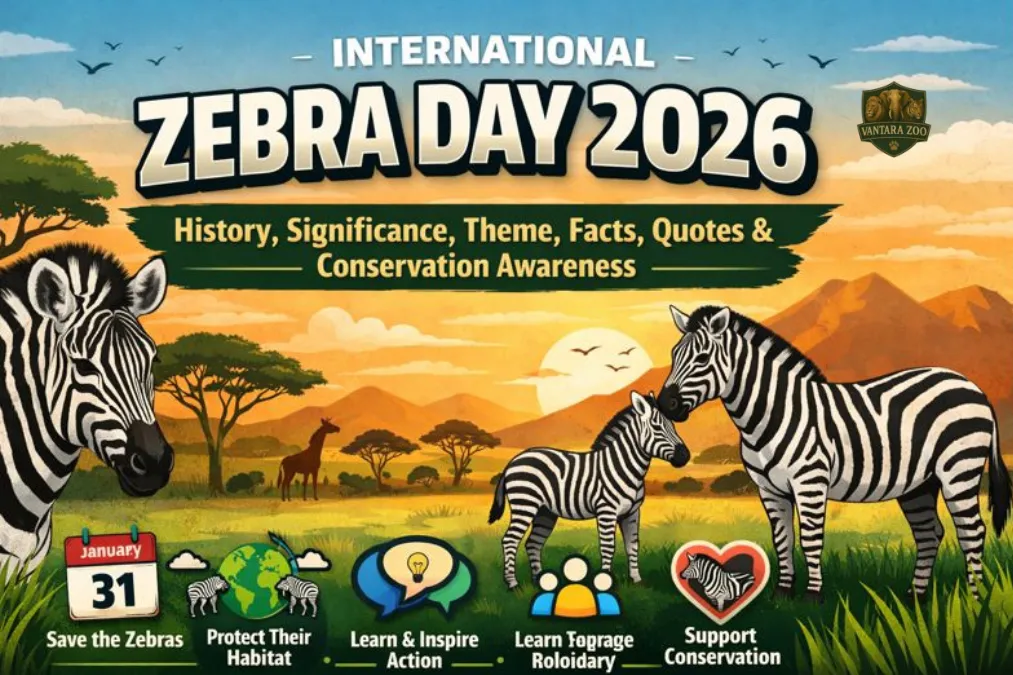
International Zebra Day 2026 is more than a symbolic date on the global wildlife calendar. It is a meaningful international observance dedicated to one of Africa’s most recognisable and ecologically important animals-the zebra. Known worldwide for their striking black-and-white stripes, zebras represent individuality, balance, resilience, and the fragile beauty of nature.
Observed annually on January 31, International Zebra Day aims to raise awareness about the growing threats zebras face in the wild and to inspire global action toward conservation. While zebras often appear abundant in documentaries, tourism brochures, and popular culture, the reality on the ground tells a different story. Several zebra species are experiencing alarming population declines due to habitat destruction, climate change, poaching, and increasing human-wildlife conflict.
International Zebra Day 2026 provides an important opportunity for governments, conservationists, educators, environmental organisations, and individuals to come together to protect zebras and the ecosystems they help sustain. This in-depth guide explores everything you need to know about International Zebra Day—from its history and significance to its theme, celebrations, fascinating zebra facts, inspirational quotes, and the urgent need for conservation awareness.
Understanding International Zebra Day
International Zebra Day is dedicated to highlighting the importance of zebras within global ecosystems and addressing the challenges threatening their survival. Zebras are keystone species in many African grassland environments, meaning their presence directly influences biodiversity, vegetation health, and ecological balance.
Despite their global recognition, zebras are often overlooked in conservation discussions compared to animals such as elephants, rhinos, and big cats. International Zebra Day seeks to correct this imbalance by placing zebras firmly at the centre of wildlife awareness and conservation dialogue.
History of International Zebra Day
International Zebra Day is observed every year on January 31, a date selected to spotlight the urgent conservation concerns surrounding zebra populations, particularly the endangered Grevy’s zebra.
The observance emerged from grassroots conservation efforts led by wildlife researchers, environmental activists, and international conservation organisations. As scientific data revealed significant declines in zebra numbers across Africa, conservationists recognised the need for a dedicated global awareness day focused solely on zebras.
Historically, zebras thrived across vast regions of Africa’s grasslands, savannas, and mountainous terrains. However, rapid industrialisation, agricultural expansion, infrastructure development, and climate-related changes have dramatically reduced their natural habitats. As grazing lands disappeared, zebras were pushed into smaller, fragmented areas, increasing competition for food and water.
International Zebra Day was established to draw global attention to these issues, encourage funding for research and protection programmes, and educate the public about the long-term consequences of ignoring zebra conservation.
Over the years, the observance has gained momentum worldwide. Schools, zoos, wildlife reserves, environmental NGOs, and digital platforms now actively participate, making International Zebra Day an important fixture in the international conservation calendar.
Significance of International Zebra Day 2026
The significance of International Zebra Day 2026 extends far beyond celebrating an animal with distinctive stripes. It underscores critical environmental challenges facing the planet and highlights the interconnected nature of ecosystems.
Ecological Importance of Zebras
Zebras play a vital role in maintaining healthy grassland ecosystems. By grazing on coarse grasses that many other herbivores avoid, zebras prepare the land for other species such as wildebeest and antelope. This grazing pattern encourages plant diversity and prevents overgrowth.
Additionally, zebras contribute to seed dispersal through their movement across vast territories, helping regenerate vegetation and support biodiversity. Their migration patterns also influence predator-prey dynamics, contributing to ecological balance.
A Wake-Up Call for Conservation
International Zebra Day 2026 is particularly significant because zebra populations continue to decline across Africa. The Grevy’s zebra, the largest and most threatened species, has seen its numbers fall dramatically over recent decades. Mountain zebras and plains zebras also face increasing pressure due to habitat loss and environmental changes.
This observance serves as a global reminder that conservation is not optional—it is essential. Without sustained efforts, zebras could disappear from large parts of their natural range.
Education and Awareness
One of the key objectives of International Zebra Day is education. Many people mistakenly believe zebras are plentiful and not at risk. This day helps correct misconceptions, providing accurate information about population trends, threats, and conservation strategies.
Global Collaboration
International Zebra Day also strengthens international cooperation. Governments, scientists, conservation groups, and local communities use this occasion to share research findings, launch new initiatives, and advocate for stronger wildlife protection policies.
International Zebra Day 2026 Theme
Each year, International Zebra Day centres around a theme that reflects current conservation priorities. The International Zebra Day 2026 theme is expected to focus on zebra conservation, habitat protection, and peaceful coexistence between humans and wildlife.
Themes play a crucial role in guiding global conversations, awareness campaigns, educational programmes, and policy discussions. The 2026 theme reinforces the idea that protecting zebras means protecting entire ecosystems and ensuring a sustainable future for generations to come.
Why International Zebra Day Is Celebrated
International Zebra Day is celebrated to highlight the urgent need to protect zebras and preserve biodiversity. Although zebras are widely recognised, they often receive less conservation attention than other iconic species.
This day is observed to:
- Raise awareness about the conservation status of zebra species
- Educate people about zebra habitats and ecological roles
- Highlight threats caused by human activity and climate change
- Promote ethical wildlife tourism and sustainable practices
- Support organisations working to prevent zebra extinction
International Zebra Day encourages empathy toward wildlife and reinforces humanity’s responsibility to protect the natural world.
How International Zebra Day Is Celebrated Worldwide
International Zebra Day is observed in diverse ways across different regions, reflecting local conservation needs and cultural traditions.
Educational Initiatives
Schools, colleges, and universities organise lectures, workshops, exhibitions, and student projects focused on zebras and wildlife conservation.
Wildlife Awareness Campaigns
Environmental organisations launch campaigns using documentaries, articles, webinars, and social media outreach to spread information about zebra protection.
Zoo and Sanctuary Events
Zoos and wildlife sanctuaries host guided tours, expert talks, interactive sessions, and fundraising events dedicated to zebra conservation.
Digital and Social Media Engagement
People worldwide share facts, infographics, videos, and messages using hashtags related to International Zebra Day to amplify awareness.
Community-Based Conservation
Communities living near zebra habitats organise local events to promote coexistence and reduce human-wildlife conflict.
Zebra Species and Their Conservation Status
There are three primary species of zebras, each facing unique challenges:
Plains Zebra
The most widespread species, found across eastern and southern Africa. While still relatively numerous, certain populations are declining due to habitat loss.
Mountain Zebra
Includes two subspecies and inhabits mountainous regions. Threats include limited habitat and human encroachment.
Grevy’s Zebra
The largest and most endangered zebra species. Found mainly in Kenya and Ethiopia, Grevy’s zebras face severe risks from drought, habitat degradation, and competition with livestock.
Conservation strategies focus on habitat preservation, anti-poaching efforts, scientific research, and community involvement. International Zebra Day plays a vital role in highlighting these initiatives.
Interesting Facts About Zebras
- Every zebra has a unique stripe pattern, similar to human fingerprints
- Zebras live in social groups called harems
- Their stripes help confuse predators
- Zebras can run up to 65 km per hour
- They have excellent memory and recognition abilities
- Zebra stripes may regulate body temperature
- Zebras communicate through sounds and body language
- They often sleep standing up
- Grevy’s zebras are the largest species
- Zebras form strong social bonds
- They are herbivores that mainly eat grass
- Zebras can see in colour
- Foals can walk shortly after birth
- Zebras are native to Africa
- Their stripes may deter biting insects
- Zebras have powerful defensive kicks
- Stripe patterns are genetically determined
- Zebras migrate seasonally
- They help maintain grassland ecosystems
- Zebras have sharp hearing
- Their mane remains upright for life
- Facial expressions are part of zebra communication
- Some species prefer mountainous regions
- Family units are long-lasting
- Zebras rely on strong survival instincts
50+ Inspirational Quotes for International Zebra Day
Zebras remind us that nature celebrates individuality
Protecting zebras means protecting our planet
Wildlife conservation begins with awareness
Zebras are living art created by nature
Every species matters in the balance of life
Save zebras to save ecosystems
Nature’s beauty deserves protection
Zebras symbolise harmony in diversity
Conservation today ensures life tomorrow
The future of zebras depends on us
Wildlife is a necessity, not a luxury
Protect nature and nature protects us
Zebras teach strength through unity
Biodiversity sustains life on Earth
Respect wildlife, respect life
Zebras guard grassland ecosystems
Awareness leads to conservation
Wildlife protection is a shared duty
Zebras belong in the wild
Every stripe tells a survival story
Conservation is an act of hope
Protecting animals protects humanity
Zebras inspire resilience
Wildlife loss affects us all
Nature’s designs are priceless
Zebras symbolise freedom
Compassion fuels conservation
Wildlife thrives when cared for
Saving zebras saves ecosystems
The wild needs our voice
Zebras are Earth’s heritage
Nature’s diversity is wealth
Protect wildlife for future generations
Unity creates strength
Conservation is essential
Wildlife protection is global responsibility
Zebras are nature’s masterpieces
Awareness sparks change
Human choices shape wildlife survival
Every animal matters
Zebras teach coexistence
Protect habitats, protect life
Understanding drives conservation
Zebras are survivors
Nature flourishes when respected
Conservation ensures balance
Zebras deserve a future
Preserve nature, preserve life
Also read: What Is Vantara Ambani: A Complete Guide to India’s Largest Wildlife Conservation Project
Conclusion
International Zebra Day 2026 stands as a powerful reminder of humanity’s responsibility to protect wildlife and preserve biodiversity. Zebras, with their iconic stripes and essential ecological roles, symbolise the delicate balance of nature that must be safeguarded.
This observance encourages education, awareness, and collective action. By understanding the history, significance, and conservation challenges facing zebras, individuals can make meaningful contributions to wildlife protection.
Supporting conservation organisations, promoting ethical tourism, and spreading awareness are simple yet impactful steps. As global environmental challenges intensify, International Zebra Day calls on the world to act—not just for zebras, but for the future of life on Earth.