
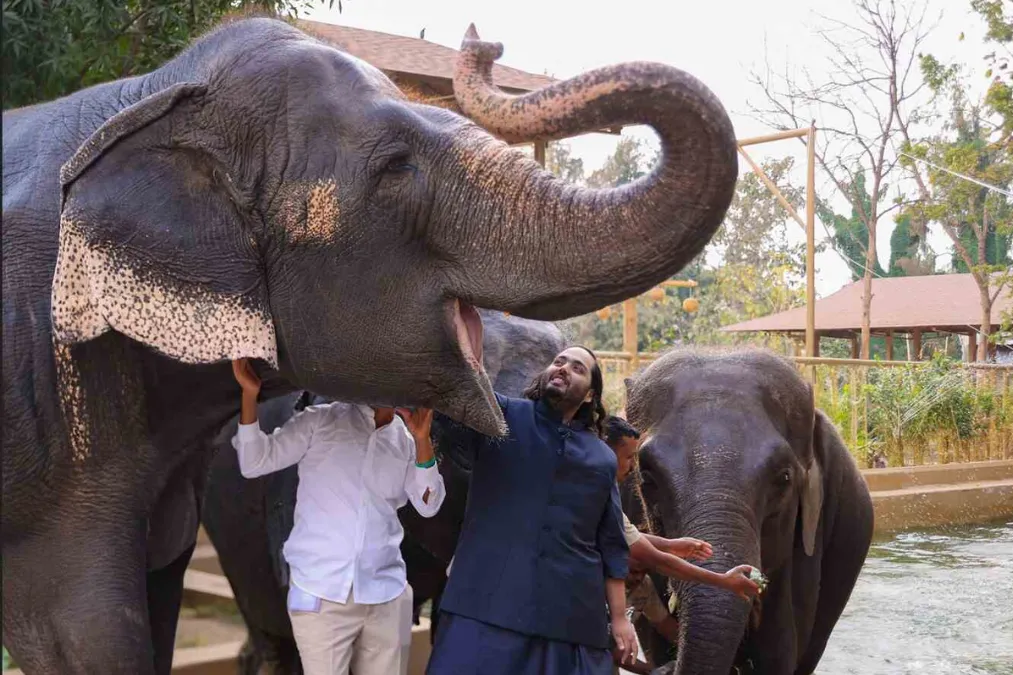
What is Vantara Ambani is a question many people are asking as this massive wildlife conservation initiative has gained national and international attention. Vantara is one of the most ambitious animal welfare and environmental protection projects ever created in India, launched under the leadership of the Reliance Group and supported by the Ambani family.
This project represents a powerful combination of compassion, science, sustainability, and long-term commitment to protecting endangered animals and restoring ecological balance. Vantara is not a zoo or tourist park. It is a large-scale rescue, rehabilitation, and conservation center built to give animals a safe and natural life.
In this article, you will clearly understand what Vantara Ambani is, why it was created, where it is located, how it works, and why it is considered a landmark step in wildlife protection.
What Is Vantara Ambani
What is Vantara Ambani can be explained simply as a wildlife rescue and rehabilitation center developed to protect endangered, injured, and abused animals. The word Vantara means “Star of the Forest,” reflecting the project’s mission to safeguard wildlife and natural ecosystems.
Vantara was developed by Reliance Industries in Jamnagar, Gujarat, under the vision of Anant Ambani, who has been deeply involved in animal welfare from a young age. The project focuses on ethical care, medical treatment, conservation breeding, and long-term rehabilitation rather than public entertainment.
Spread across thousands of acres, Vantara is designed to replicate natural habitats so animals can live with dignity and minimal human disturbance.
Vision Behind Vantara Ambani
The main vision behind Vantara Ambani is compassion-driven conservation. The project was created with the belief that humans have a moral responsibility to protect animals affected by habitat loss, illegal trafficking, climate change, and human conflict.
Instead of keeping animals in confined spaces, Vantara aims to provide open environments where wildlife can recover physically and emotionally. The initiative supports global conservation goals and aligns with India’s long tradition of respecting nature and living beings.
Anant Ambani has often spoken about the need to combine modern veterinary science with empathy, which forms the foundation of Vantara.
Location and Scale of Vantara
Vantara is located within the Reliance Jamnagar Refinery complex in Gujarat. The region was chosen due to its vast protected land, controlled environment, and ability to create large natural habitats without urban interference.
The project spans over 3,000 acres, making it one of the largest animal rescue centers in the world. The land includes forests, grasslands, wetlands, and climate-controlled zones that support species from different geographical regions.
Such a massive scale allows animals to live freely while receiving professional care.
Why Vantara Ambani Was Created
Understanding what is Vantara Ambani also requires knowing why it was necessary. Wildlife across the world faces severe threats due to deforestation, poaching, illegal trade, pollution, and climate change.
Many rescued animals cannot survive in the wild again due to injuries or trauma. Traditional zoos are not designed for rehabilitation, and sanctuaries often lack advanced medical facilities.
Vantara was created to fill this gap by offering:
Long-term shelter for rescued animals
Advanced medical and surgical care
Specialized rehabilitation programs
Ethical conservation breeding
Lifetime care for non-releasable animals
The project focuses on animal well-being rather than public display.
Animals at Vantara Ambani
Vantara houses a wide range of animals rescued from different parts of India and abroad. These include mammals, reptiles, birds, and endangered species that require specialized care.
Some animals at Vantara include:
Lions and leopards rescued from illegal captivity
Elephants saved from abuse and overwork
Tigers relocated from conflict zones
Exotic birds recovered from smuggling networks
Reptiles rescued from illegal trade
Herbivores requiring protected breeding environments
Each animal is given a habitat designed specifically for its physical and psychological needs.
Advanced Veterinary Facilities
One of the most impressive aspects of what is Vantara Ambani is its world-class veterinary infrastructure. The facility includes one of the largest wildlife hospitals in the world.
Key features include:
Operation theaters designed for large animals
Advanced imaging systems like MRI and CT scans
Intensive care units for wildlife
Mobile medical vans for emergency rescue
Dedicated quarantine and recovery zones
A team of highly trained veterinarians, wildlife experts, and international consultants work together to ensure the highest standard of treatment.
Elephant Care and Rehabilitation Center
Elephant welfare is one of the major focus areas of Vantara Ambani. Many elephants in India suffer from physical injuries, psychological stress, and poor living conditions due to tourism and labor exploitation.
At Vantara, elephants receive:
Large open spaces for movement
Hydrotherapy pools for joint relief
Special foot-care clinics
Natural social group living
Customized nutrition plans
The center emphasizes emotional healing along with physical recovery, which is rare in traditional facilities.
Conservation and Breeding Programs
Another important part of what is Vantara Ambani is its role in conservation breeding. Many species face declining populations due to habitat destruction and low reproduction rates.
Vantara supports carefully monitored breeding programs that follow international conservation standards. These programs aim to:
Maintain genetic diversity
Support endangered species survival
Assist future rewilding efforts where possible
Prevent extinction through scientific planning
All breeding activities are conducted ethically and under strict wildlife regulations.
Focus on Ethical Animal Care
Vantara Ambani follows a strict no-entertainment policy. Animals are not trained for performances, rides, or human interaction shows.
The guiding principles include:
No commercial exploitation
No forced human contact
No stressful environments
Respect for natural behavior
This ethical approach has earned appreciation from wildlife conservationists worldwide.
Role of Technology in Vantara
Modern technology plays a key role in the functioning of Vantara. Digital monitoring systems track animal health, movement, diet, and behavior.
Technology helps in:
Early disease detection
Habitat temperature regulation
Remote medical observation
Data-driven conservation planning
These tools allow experts to provide proactive care instead of reactive treatment.
Environmental Sustainability Practices
What is Vantara Ambani is not limited to animal welfare alone. The project is also designed with strong environmental sustainability goals.
Key eco-friendly practices include:
Rainwater harvesting systems
Solar energy utilization
Waste recycling and composting
Natural water bodies for wildlife
Minimal plastic usage
The goal is to ensure that conservation does not come at the cost of environmental damage.
Employment and Skill Development
Vantara has created employment opportunities for thousands of people, including veterinarians, biologists, animal caretakers, researchers, engineers, and support staff.
The project also supports:
Wildlife training programs
Veterinary internships
Research collaborations
Skill development for local communities
This helps build long-term expertise in wildlife management in India.
Global Recognition and Support
Vantara Ambani has gained global attention due to its scale, ethics, and advanced infrastructure. International wildlife organizations and conservation experts have praised the initiative for setting new standards in animal rehabilitation.
The project collaborates with:
International veterinary institutions
Global conservation groups
Wildlife rescue networks
Research organizations
Such partnerships help improve knowledge sharing and best practices.
Difference Between Vantara and a Zoo
Many people confuse Vantara with a zoo, but there are major differences.
A zoo focuses on public display and recreation, while Vantara focuses on rescue and rehabilitation.
At Vantara:
Animals are not kept for entertainment
Public access is extremely limited
Habitats are larger and more natural
Care is lifelong if release is not possible
The primary purpose is welfare, not tourism.
Importance of Vantara for India
India is one of the most biodiverse countries in the world, yet it also faces intense pressure from urbanization and industrial growth.
Vantara plays a crucial role by:
Supporting national wildlife rescue efforts
Reducing burden on government facilities
Enhancing scientific research
Promoting ethical conservation models
It complements government conservation programs rather than replacing them.
Anant Ambani’s Role in Vantara
Anant Ambani is the driving force behind the project. His lifelong passion for animals has shaped the values and scale of Vantara.
He is actively involved in:
Animal welfare planning
Veterinary infrastructure development
Global expert consultations
Long-term conservation strategy
His hands-on approach has been widely acknowledged by conservation communities.
Public Awareness and Education
Although not open as a tourist destination, Vantara promotes wildlife awareness through educational initiatives, research publications, and collaboration with academic institutions.
The goal is to build understanding about:
Animal welfare ethics
Wildlife conservation challenges
Human-animal coexistence
Environmental responsibility
Education is seen as essential for long-term conservation success.
Also read: Vantara: A Revolutionary Wildlife Conservation and Rescue Initiative in India
Future Goals of Vantara Ambani
The long-term vision of Vantara includes expanding rescue operations, supporting more endangered species, and contributing to global conservation research.
Future plans include:
Increased rehabilitation capacity
Advanced genetic research labs
Expanded elephant and big cat zones
Support for rewilding initiatives
Vantara aims to become a global model for compassionate conservation.
Conclusion
What is Vantara Ambani is best understood as a historic step toward redefining wildlife conservation in India. It is not just a rescue center but a symbol of empathy, responsibility, and scientific excellence.
By combining modern technology, ethical care, and deep respect for nature, Vantara stands as one of the world’s most advanced animal welfare initiatives. It reflects how large-scale development and environmental compassion can coexist when guided by the right values.
As wildlife challenges continue to grow globally, projects like Vantara Ambani offer hope for a future where animals are protected, respected, and allowed to live with dignity.